






Asphalt patching Albany NY demands a strategic approach focusing on heavy traffic areas. Key considerations include road wear, weather impact, and prompt repair using high-quality materials like hot mix asphalt (HMA). Regular maintenance, advanced techniques, and long-term planning extend pavement lifespan up to 50%, enhancing safety and sustainability at lower costs. Effective strategies involve early crack detection, specialized patching, strategic sealing, post-weather repairs, and contingency plans.
In the relentless urban landscape of Albany NY, our roads bear the brunt of heavy traffic, leading to constant wear and tear on asphalt surfaces. The need for effective asphalt patching strategies is paramount to maintain mobility, ensure safety, and preserve the city’s infrastructure. This article delves into the intricacies of asphalt patching for high-traffic areas, exploring both the challenges posed by intense vehicular demand and the solutions that can restore and strengthen these vital thoroughfares. By examining best practices tailored to Albany NY’s unique context, we empower local stakeholders to make informed decisions and uphold the city’s reputation as a well-maintained metropolis.
- Evaluating Heavy Traffic Areas for Asphalt Patching in Albany NY
- Choosing the Right Asphalt Patching Techniques for High-Use Zones
- Implementing and Maintaining Effective Asphalt Patching Strategies in Albany NY
Evaluating Heavy Traffic Areas for Asphalt Patching in Albany NY

Evaluating heavy traffic areas for asphalt patching in Albany NY requires a multifaceted approach. According to recent studies by the New York State Department of Transportation, commercial roads in urban centers like Albany experience significantly higher wear and tear compared to residential areas due to constant vehicle weight, frequent stops and starts, and varying weather conditions. This necessitates regular asphalt patching and long-term repair strategies to maintain road safety and mobility. One such strategy involves assessing pavement condition using the International Road Federation’s (IRF) 5-Point Scale, which ranges from 1 (severely degraded) to 5 (nearly new).
During assessments, commercial pavement contracting services in Albany NY should pay special attention to areas with high traffic volumes, frequent heavy loads, and exposure to severe weather. For instance, interstates, major arterial roads, and parking lots tend to require more intensive asphalt patching due to the constant strain. After severe weather events, such as winters with excessive snow and ice or hot summers leading to pavement melting, these areas can suffer significant damage. Timely asphalt repair after severe weather is crucial to prevent further deterioration and costly replacements. Data from the Albany County Department of Public Works indicates that proactive asphalt patching can reduce road surface life by up to 50% in high-traffic zones.
Effective long-term asphalt repair strategies involve a combination of regular maintenance, prompt repairs, and advanced paving techniques. Commercial contractors should implement a year-round pavement management program that includes routine inspections, minor repairs, and scheduled asphalt patching. By adopting these measures, Albany NY can ensure its heavy traffic areas remain safe, reliable, and cost-effective to maintain over time. For instance, using high-quality hot mix asphalt (HMA) during patching can provide superior durability compared to cold patch materials, leading to longer-lasting repairs and reduced future maintenance costs.
Choosing the Right Asphalt Patching Techniques for High-Use Zones

In high-traffic areas like Albany NY, choosing the right asphalt patching techniques is crucial for maintaining a safe and smooth transportation network. The constant flow of vehicles puts significant strain on pavement surfaces, leading to accelerated wear and tear. Effective patching strategies, therefore, must be tailored to these challenging conditions. One key consideration is the use of durable materials that can withstand heavy traffic without compromising strength or longevity. Hot mix asphalt (HMA) is a popular choice for its superior binding properties and ability to quickly return to service after patching.
Asphalt recycling programs in NY state further enhance the sustainability and cost-effectiveness of pavement maintenance. By incorporating recycled asphalt into new mixes, these programs reduce the environmental impact while providing a consistent, high-quality surface. For instance, Albany’s innovative recycling initiatives have resulted in substantial cost savings for both the city and its residents, with studies showing that recycled asphalt mixes can last up to 20% longer than traditional mixtures. Additionally, driveway sealing plays a vital role in protecting against water penetration and subsequent damage, extending the life of asphalt surfaces even further.
Proper pavement restoration techniques should be employed regularly (1-3 times per year) to mitigate issues before they escalate. This includes not only patching but also milling, overlaying, and complete surface replacements. For example, a study by the New York State Department of Transportation found that regular maintenance cycles, including asphalt patching Albany NY professionals employ, can extend the life of pavements by up to 50%, significantly reducing long-term costs. By prioritizing these strategies, transportation authorities in Albany and similar urban centers can ensure safe, efficient, and sustainable road infrastructure for years to come.
Implementing and Maintaining Effective Asphalt Patching Strategies in Albany NY
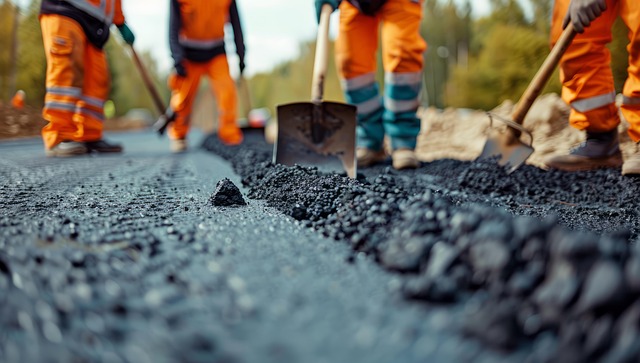
Maintaining a robust asphalt patching program is essential for keeping heavy traffic areas in Albany NY in top condition. With constant vehicle weight and wear, these surfaces are prone to damage, particularly in the form of potholes. Effective asphalt patching strategies require a multi-faceted approach. One key step is regular inspection, allowing for early detection of cracks and holes. This proactive measure significantly reduces repair costs compared to reactive fixing after severe weather events, which can cause extensive damage.
The Capital Region, with its bustling streets and highways, relies heavily on efficient asphalt patching companies. These professionals employ advanced techniques like hot mix asphalt patching, ensuring quick repairs that withstand heavy traffic. Long-term asphalt repair strategies involve incorporating sealers and fill materials to strengthen the roadbed, preventing future deterioration. For instance, using a combination of aggregate base and rubberized asphalt can enhance flexibility, resisting cracking and water penetration.
After severe weather, especially winters with frequent freeze-thaw cycles, roads may suffer significant damage. Prompt post-weather repairs are crucial. The city’s transportation departments should have contingency plans in place, including quick response teams and specialized equipment for immediate pothole repair. According to local statistics, timely intervention can save up to 30% on overall asphalt repair costs over a five-year period, demonstrating the long-term benefits of proactive measures.
Regular maintenance and prompt addressing of issues ensure Albany NY’s heavy traffic areas remain safe and well-maintained. By employing expert techniques, using high-quality materials, and adopting strategic planning, the city can foster a robust infrastructure that supports its vibrant economy and bustling streets.
In addressing asphalt patching for heavy traffic areas, particularly in Albany NY, this article has provided a comprehensive framework for effective management. Key insights include meticulously evaluating high-traffic zones to identify specific patching needs, selecting appropriate techniques tailored to intense use, and implementing robust strategies that ensure longevity. By prioritizing these steps, asphalt patching in Albany NY can significantly enhance road safety, reduce traffic disruptions, and promote sustainable transportation infrastructure. Readers now possess a clear understanding of best practices, empowering them to make informed decisions for optimal asphalt patching outcomes.